You may find yourself in a frustrating situation when your flight gets cancelled at the last minute. Whether it’s due to bad weather, technical issues, or unexpected circumstances, knowing how to effectively handle the situation can make your travel experience less stressful. From understanding your rights as a passenger to exploring alternative options, this guide will walk you through actionable steps to take right away, ensuring you get back on track as smoothly as possible.
1. Contact airline immediately for rebooking options and assistance.
2. Check for alternative flights on airline and third-party sites.
3. Know your passenger rights and compensation eligibility.
4. Use airline apps for faster updates and notifications.
5. Arrange accommodations and transportation if stuck overnight.
6. Keep all receipts for reimbursement claims.
Immediate Actions to Take When a Flight is Cancelled
Upon receiving notice that your flight has been cancelled, your first step should be to assess your options. Start by checking your airline’s app or website for updated flight information and potential rebooking opportunities. Staying calm and patient as you navigate this process can yield the best results. If you’re at the airport, head to the nearest airline help desk, as on-ground agents can often assist faster than phone or online channels. Keep all travel documents handy, and prepare to provide necessary details to expedite the resolution of your situation.
Navigating the Airline’s Response Protocol
Airlines typically have a set protocol for managing flight cancellations, which includes prioritizing rebooking for customers on a first-come, first-served basis. After cancelation, connect with airline representatives as soon as possible to discuss your options, whether that’s finding an alternate flight, requesting a refund, or exploring accommodation opportunities. Be aware that during peak travel times, lines can be long, so consider utilizing the airline’s customer service chat feature for quicker assistance.
Understanding Your Rights as a Passenger
Your rights as a passenger vary based on factors such as the airline, reasons for cancellation, and where you’re flying to and from. In the U.S., airlines are not required by law to compensate for cancellations due to weather, but if it’s a mechanical issue or another factor within their control, you might be entitled to a refund or rebooking. Familiarize yourself with specific airline policies and consult resources like the U.S. Department of Transportation to ensure you know your entitlements.
Many airlines provide compensation in the form of travel vouchers, meal allowances, or accommodations if your cancellation was due to their operational issues. In Europe, for example, under EC 261 regulations, you may be entitled to up to €600 in compensation depending on the flight distance and delay duration. Always keep documentation of your travel itinerary and any expenses incurred due to the cancellation, as this information can support your claims for any compensation you may be eligible for.
Alternative Travel Solutions to Consider
After assessing your immediate options, it’s time to explore alternative travel solutions that best fit your needs. Look into rebooking on different flights offered by your airline, or consider other airlines as a potential solution. If you’re short on time, seek direct flights or even redeye options to minimize disruption. Additionally, check with travel agencies or online travel platforms for last-minute deals that may offer better routes. Keeping an open mind about your destination can also lead to unexpected opportunities to explore new places.
Exploring Rebooking Options and Compensation
Rebooking your cancelled flight may offer a more straightforward solution than other alternatives. Contact your airline immediately, as many will prioritize rebooking customers whose flights have been disrupted. Some airlines even provide compensation in the form of travel vouchers or cash, depending on the situation and their policies. Make sure to inquire about your options so you can navigate the rebooking process efficiently.
Considering Other Transportation Modes
Exploring different transportation modes can be a game-changer if your flight is cancelled. Depending on your location, consider options like trains or buses, especially if you’re traveling domestically. For instance, Amtrak offers extensive routes across the U.S., often accommodating travelers with flexible schedules. Car rentals can also provide greater control over your journey, allowing you to drive to your destination at your own pace. In some cases, ridesharing services or even long-distance ride-sharing platforms can be more convenient and cost-effective, offering an immediate solution to travel needs without waiting for airline services to resume.

Strategies for Managing Stress and Uncertainty
Understanding that flight cancellations are often beyond your control can help you navigate the anxiety they generate. Cultivating a mindset of adaptability is key; consider visualizing the situation differently, such as viewing it as an opportunity for an unexpected adventure. Incorporating relaxation techniques like deep breathing exercises or mindfulness can also significantly reduce stress, allowing you to think more clearly as you devise your next steps. Focus on solutions rather than setbacks, as this proactive approach can foster resilience and help you regain a sense of control amidst the chaos.
Coping Mechanisms for Travel-Related Anxiety
Engaging in activities that you find calming can be a powerful way to mitigate travel-related anxiety. This might involve listening to music, reading a book, or practicing mindfulness meditation while you wait. Utilizing travel apps can keep you informed and organized, giving you a sense of direction even when plans go awry. Sharing your experience with fellow travelers can also provide comfort and may lead to unexpected connections that ease your stress.
Maintaining Flexibility in Your Travel Plans
Flexibility is your ally when navigating travel disruptions. By booking tickets with more lenient cancellation policies or opting for airlines that offer better rebooking options, you can ease some of the pressure. Additionally, consider purchasing travel insurance that covers cancellations and interruptions. Packing important items in your carry-on, like snacks and toiletries, ensures you’re prepared for long wait times or sudden changes in your itinerary.
Being adaptable in your travel plans opens up a world of possibilities. For instance, if your flight is cancelled, a flexible itinerary allows for last-minute road trips or train journeys to your destination. Embracing changes over resisting them can also lead to unique experiences that you may otherwise miss. It transforms what could be an inconvenience into a chance for exploration and adventure. Consider tools like travel apps that allow for quick accommodation or transport changes, ensuring that your journey remains enjoyable, no matter the obstacles.

Proactive Measures to Avoid Future Disruptions
Planning ahead can significantly mitigate the impact of flight cancellations in the future. Staying informed about your airline’s policies, choosing flights during times of lower disruptions, and booking direct flights can help minimize risks. Moreover, opting for flexible or refundable tickets provides peace of mind, making it easier to rebook without significant financial loss if disruptions occur.
The Importance of Travel Insurance
Investing in travel insurance is a wise choice for safeguarding your travel plans. Comprehensive policies often include coverage for trip cancellations, interruptions, and delays, providing reimbursement for nonrefundable expenses. With this protection, you can travel with greater confidence, knowing that unexpected changes won’t wreak havoc on your budget.
Recommended Practices for Booking Flights
Choosing the right flight can significantly reduce the likelihood of a last-minute cancellation. Airlines with strong reputations for reliability, preferably those that have fewer high-volume flights that might spread resources thin, should be at the top of your list. Booking flights early in the day increases your chances of departing on time, as airlines often experience fewer delays in the morning. Additionally, always monitor weather forecasts and major events that might impact your flight schedule, adjusting your plans as necessary to avoid potential issues.
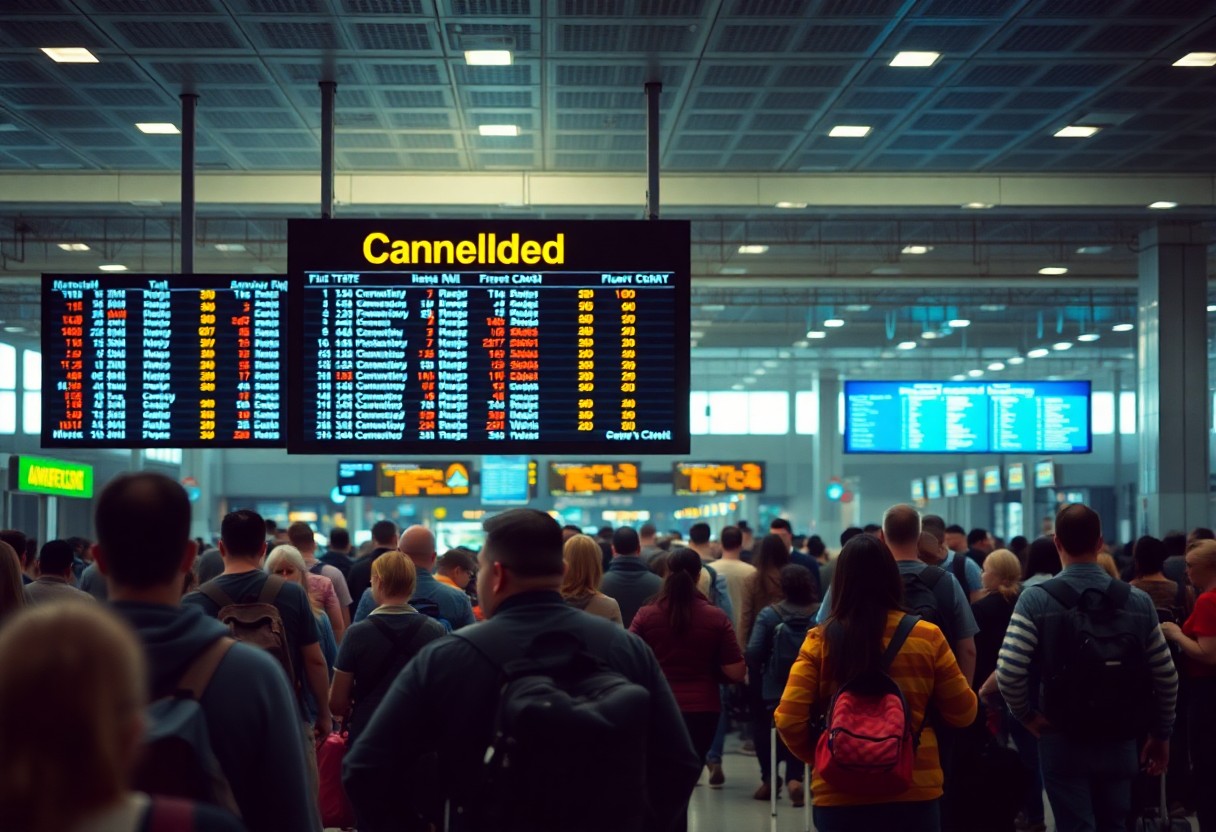
Leveraging Technology for Real-Time Updates
Navigating a last-minute flight cancellation becomes significantly easier when you utilize technology for real-time updates. In today’s fast-paced world, various apps and tools are designed to keep you informed about flight statuses, gate changes, and even potential rebooking options. By having the right resources at your fingertips, you can quickly adapt to the situation and minimize disruptions to your travel plans.
Essential Apps and Tools to Stay Informed
Utilize apps like FlightAware, Hopper, or your airline’s own application, which provide timely notifications about flight changes, delays, and cancellations. Monitoring these resources can give you an early warning about issues that may impact your travel, enabling you to explore alternatives without wasting time waiting at the airport.
Utilizing Alerts and Notifications Smartly
Setting up alerts and notifications through these apps can keep you ahead of the curve regarding changes to your flight status. Most apps allow you to customize settings based on your preferences, such as specific routes or airlines. By opting for push notifications, you’ll receive real-time updates straight to your device, ensuring you act swiftly. Additionally, consider using social media platforms; airlines frequently post updates on Twitter or Facebook, which can be a valuable source of information during emergencies.
For maximum effectiveness, configure alerts not just for your flights but also for your connection and the airports involved. This proactive approach will help you remain informed well beyond initial cancellations, allowing you to respond promptly to new alternatives or changes. Moreover, syncing your travel itinerary with services like Google Calendar can keep all information organized, ensuring you don’t miss critical updates while juggling multiple platforms and notifications.
Conclusion
As a reminder, when your flight gets cancelled last minute, it’s important to stay calm and assess your options promptly. First, check for alternative flights and maintain communication with your airline for updates and assistance. Consider travel insurance for potential reimbursements and always have a backup plan for your accommodations and transportation. By being proactive and organized, you can navigate this unexpected situation more effectively and minimize the disruption to your travel plans.


0 Comments