You gain deeper cultural insight and calmer travel by staying longer, choosing fewer destinations, and engaging with local life; this method reduces stress, saves money, and enhances memory formation so your trips become richer and more meaningful.
Defining the Slow Travel Philosophy
Slow travel asks you to choose depth over distance, staying long enough to learn local rhythms and build genuine connections that outlast photos.
Shifting from Checklists to Experiences
You trade ticking boxes for lingering moments, letting curiosity guide longer stays and more meaningful encounters.
The Core Principles of Intentional Movement
Intentional choices ask you to prioritize pace, presence, and local relationships over hurried itineraries.
Practice moving with intention: choose fewer destinations, stay several nights, learn basic phrases, and support neighborhood businesses. You observe seasonal routines, form conversations that reveal traditions, and return home with nuanced insights rather than a hurried list of sights.
Environmental and Economic Sustainability
Environmental benefits of slow travel show when you reduce long-haul flights and linger locally, lowering emissions while directing more money to nearby services and producers.
Reducing Carbon Footprints Through Low-Impact Transit
Choosing low-impact transit lets you cut your carbon footprint by favoring trains, buses, cycling, or walking, extending stays and making each experience lower-emission.
Supporting Local Economies and Small-Scale Artisans
Buying directly from local artisans and markets ensures your spending supports small businesses, preserves traditional skills, and builds meaningful connections with people you meet.
When you prioritize purchases from small-scale artisans, you channel income into local livelihoods and help keep traditional crafts economically viable. Visit workshops, co-ops, and markets, ask about materials and pricing, and choose pieces that tell a story. Sharing artisans’ names and photos online spreads demand ethically and helps sustain businesses after you leave.
Cultivating Deeper Cultural Integration
You deepen cultural integration by staying longer, joining neighborhood rhythms, and prioritizing relationships with residents over sightseeing checklists; consistent presence turns curiosity into mutual respect and authentic exchange.
The Value of Language and Long-Term Residencies
Language classes and daily practice let you access local conversations, deepen friendships, and handle practical life; long-term residencies provide the time to progress from tourist phrases to confident communication.
Moving Beyond the Traditional Tourist Ghetto
Neighborhoods outside tourist cores invite you to discover daily markets, working cafés, and community events where residents truly live, work, and share stories.
Spending nights in a family-run guesthouse, riding local buses, and buying produce at neighborhood markets gives you repeated encounters that build trust and context. Seek invitations to communal meals, support small vendors, learn basic etiquette, and accept slower paces; over weeks you’ll move from passing curiosity to invited participant, noticing subtleties that brief visits never reveal.
The Psychological Rewards of a Slower Pace
Slow travel reduces rush and gives you mental space to absorb experiences, improving mood, lowering stress, and deepening memory. You notice details, form real connections, and return home with clearer priorities rather than a packing list of sights.
Mitigating Travel Burnout and Decision Fatigue
Reducing fast schedules lets you rest between activities so you avoid burnout and decision fatigue; you make calmer choices, enjoy each moment longer, and sustain curiosity instead of draining it.
Practicing Mindfulness in New Environments
Being attentive to sounds, smells, and people helps you orient in new places; you notice patterns, deepen gratitude, and convert sightseeing into meaningful learning rather than rushed consumption.
You can practice mindfulness by focusing on one activity at a time: taste a single dish slowly, listen to street sounds for a minute, or follow a local at a market. Pausing for deep breaths, limiting screen time, and jotting sensory notes will anchor memories and reduce anxiety. Over days, these small rituals turn unfamiliar surroundings into familiar ones, improving mood, sharpening attention, and making your experiences more satisfying and enduring.
Strategies for Intentional Itinerary Design
Plan your days with deliberate limits to deepen experiences and reduce hurry. You should prioritize a few meaningful activities and allow time for lingering, interactions, and local discovery. This approach preserves energy and heightens presence.
Selecting a Home Base Over Multi-City Tours
Choose a single town as your base so you can unpack, watch neighborhoods change, and build rapport with locals. You will trade frenetic travel for deeper routines, more meaningful meals, and time to explore at your own pace.
Embracing Spontaneity and Unstructured Time
Allow gaps in your schedule so you can follow local tips, linger in a café, or chase an unexpected event. You will return with stories shaped by curiosity rather than a checklist.
When you embrace unstructured time, you prepare flexible windows, basic priorities, and simple safety checks so surprises enrich rather than derail your trip. Keep one anchor plan per day, allow extra hours between commitments, and carry a local SIM and small cash for impromptu opportunities. Trust your curiosity to lead you to unexpected meals, markets, or conversations, while using light planning-booked arrivals, main transport, and one evening reservation-to ensure comfort without pinning down every hour.
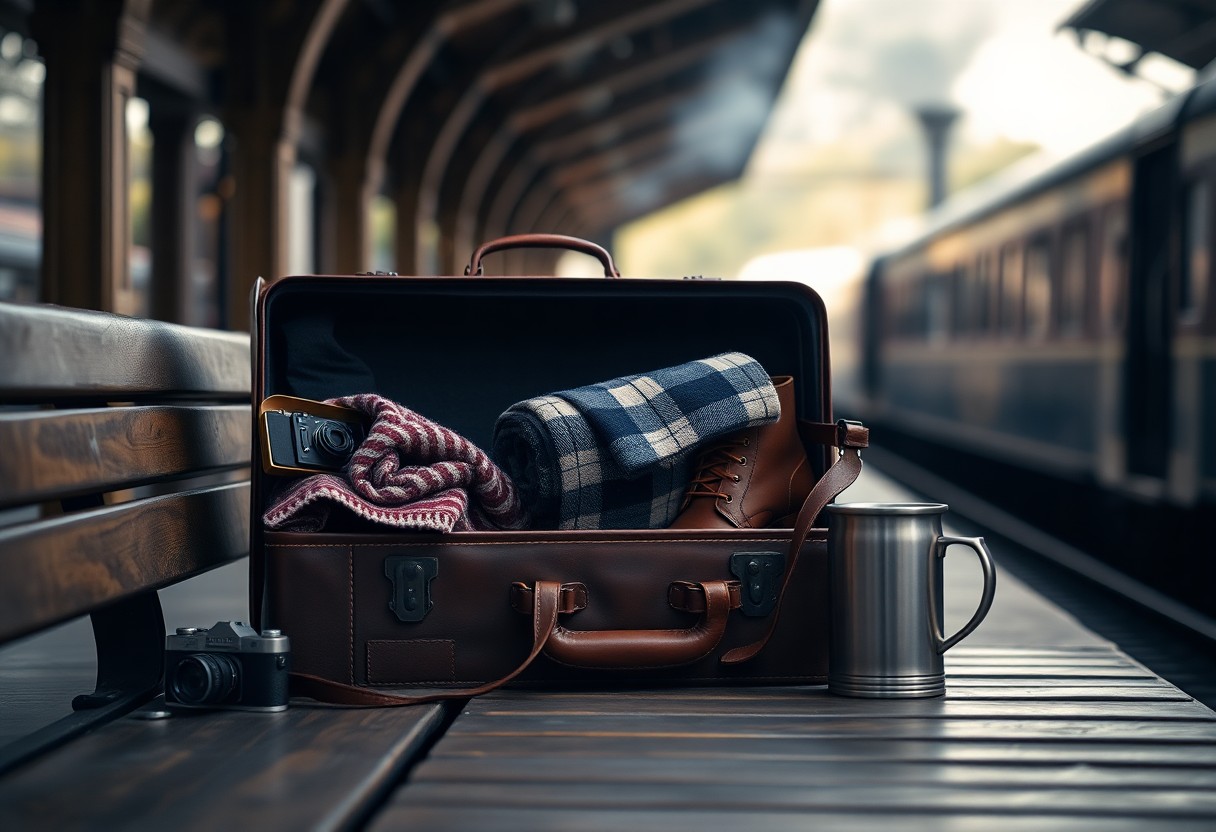
Quality Over Quantity: Redefining Value
You find that fewer, deeper experiences deliver more satisfaction, as meaningful connections and presence replace the impulse to collect checkpoints.
The Myth of Seeing Everything
Accepting the pressure to “see everything” pushes you into rushed visits; by narrowing choices you allow fuller attention and richer impressions.
Building Lasting Memories Through Depth
Immersing yourself in routines, conversations, and repeated observation turns fleeting moments into lasting, personal stories rather than disposable snapshots.
When you stay longer in one place, repeat visits to the same markets or cafés, learn a handful of phrases, and share simple tasks with locals, sensory details and relationships accumulate; those layered experiences encode stronger memories you can revisit long after the trip ends.
Final Words
On the whole you benefit from slow travel because you see more, connect deeper with places and people, reduce stress, and travel sustainably; choosing quality over quantity transforms trips into meaningful experiences that stick with you long after you return.


0 Comments