Streamlining Your Packing Process
Efficiency in packing frees up your time and reduces travel stress, allowing for a smoother journey. Begin by assessing the duration and nature of your trip to determine what to bring. Packing by category—clothing, toiletries, electronics—can make the process more manageable. Additionally, laying out all items before packing helps visualize space usage, ensuring you don’t forget the crucials or overpack unnecessary items.
The Mental Prep: Defining Your Travel Goals
Before you start packing, take a moment to define your travel goals. Are you initiateing on a relaxing vacation or a business trip? Understanding the purpose of your journey influences what you need to bring. If you’re attending meetings, prioritize business attire over casual wear. This mental prep lays the groundwork for a focused packing process, allowing for intentional choices in wardrobe and crucials.
The Importance of a Packing List
A packing list acts as both a roadmap and a safety net during your travel preparations. Writing down everything you plan to take ensures that nothing crucial slips your mind and keeps you organized. Lists can evolve, allowing you to prioritize or modify items based on the specifics of your trip. Moreover, you’ll find packing smoother and faster by checking off items visually, which reduces the anxiety of forgotten crucials on the road.
A packing list can be as detailed or as simple as you like. Many travelers benefit from categorizing items into sections like clothing, toiletries, and electronics. This breakdown simplifies tracking what you’ve packed, helps avoid overstuffing, and allows for easy adjustments as your itinerary changes. You can even create a master list for future trips, ensuring you continually refine your packing strategy. Plus, having a physical list on hand eliminates the guesswork and creates an efficient packing process that keeps you focused and organized.
1. Select versatile clothing items that mix and match easily.
2. Roll clothes tightly to save space and reduce wrinkles.
3. Use packing cubes to separate and organize your belongings.
4. Place heavier items at the bottom of the suitcase.
5. Fill shoes with small items like socks or chargers.
6. Keep importants accessible in a carry-on or outer pocket.
The Art of Space Management
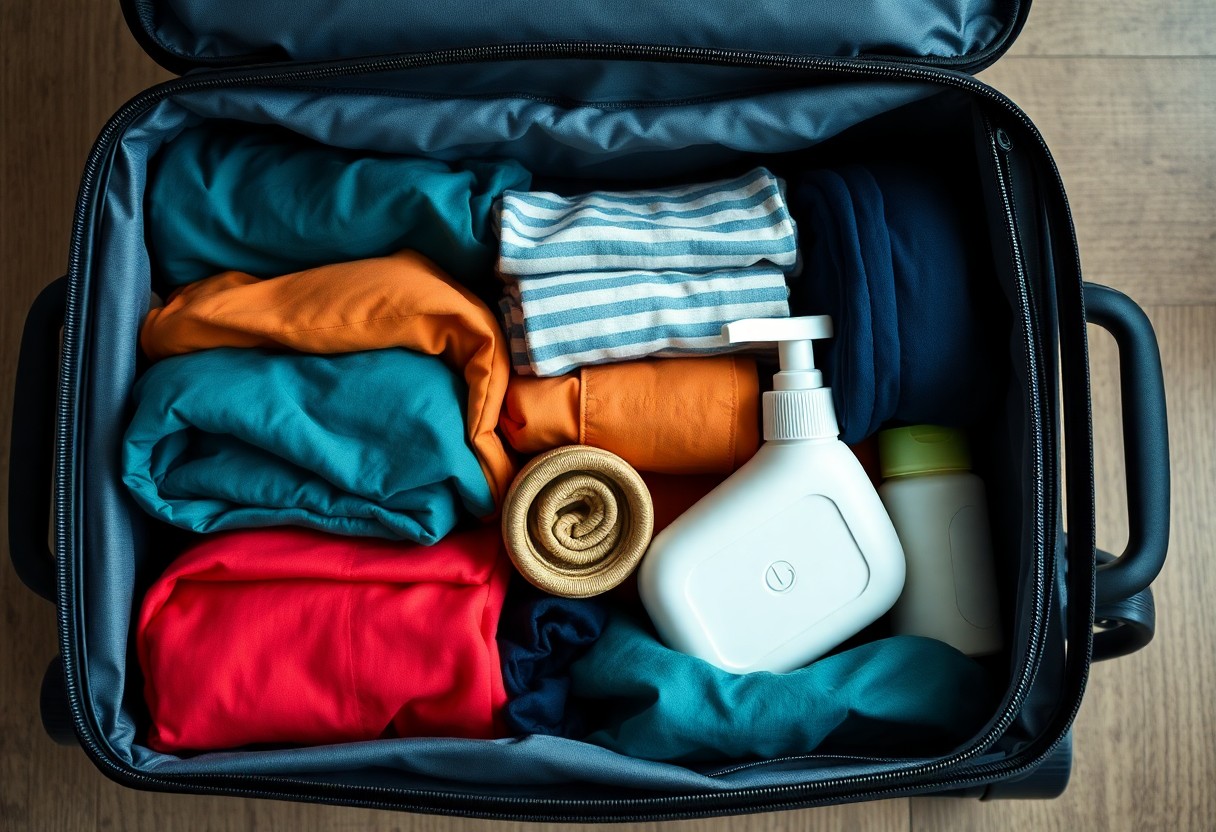
Maximizing the space within your luggage takes skill and a bit of practice, but the payoff is worth it. Assess your bag’s layout and prioritize your items based on necessity and frequency of use. Layer larger, bulkier items at the bottom while keeping lighter and smaller ones accessible, making sure to fill every nook and cranny. Don’t overlook utilizing pockets for smaller necessarys or documents. By implementing thoughtful space management strategies, you’ll create a more organized travel experience, reducing the likelihood of rummaging through your luggage in search of that crucial item.
Techniques for Efficient Folding and Rolling
Folding and rolling your clothes can significantly affect how much you can fit in your luggage. Rolling often saves more space and prevents wrinkles, especially for casual clothing. To optimize the process, start by laying your garments flat, folding them into compact shapes, and rolling tightly from one end to the other. Use rubber bands or fabric ties to secure rolled items, so they don’t unravel in transit. Additionally, stack rolled items vertically in your bag, akin to arranging books on a shelf, allowing for easy visibility and access.
Utilizing Packing Cubes and Compression Bags
Packing cubes and compression bags revolutionize the way you pack by providing structured organization and space-saving solutions. These tools help segregate items by category, making it easy to locate what you need without unpacking your entire bag. Compression bags, especially for bulkier items like jackets or sweaters, can significantly reduce the volume, allowing for more efficient packing. Simply place your clothing inside, seal the bag, and remove excess air to save precious space.
Packing cubes enhance your organization strategy by enabling you to group similar items together, like tops, bottoms, or toiletries. For instance, you may designate a specific cube for workout gear and another for evening attire. Not only does this keep your luggage tidy and easily accessible, but it also simplifies unpacking at your destination. Compression bags, on the other hand, allow you to condense bulkier clothing items without sacrificing space. By combining these tools, you can create a finely tuned packing system that maximizes available space while ensuring that everything you need is right at your fingertips. Make your travel experience smoother by incorporating these ingenious solutions into your packing regimen.
Smart Item Prioritization
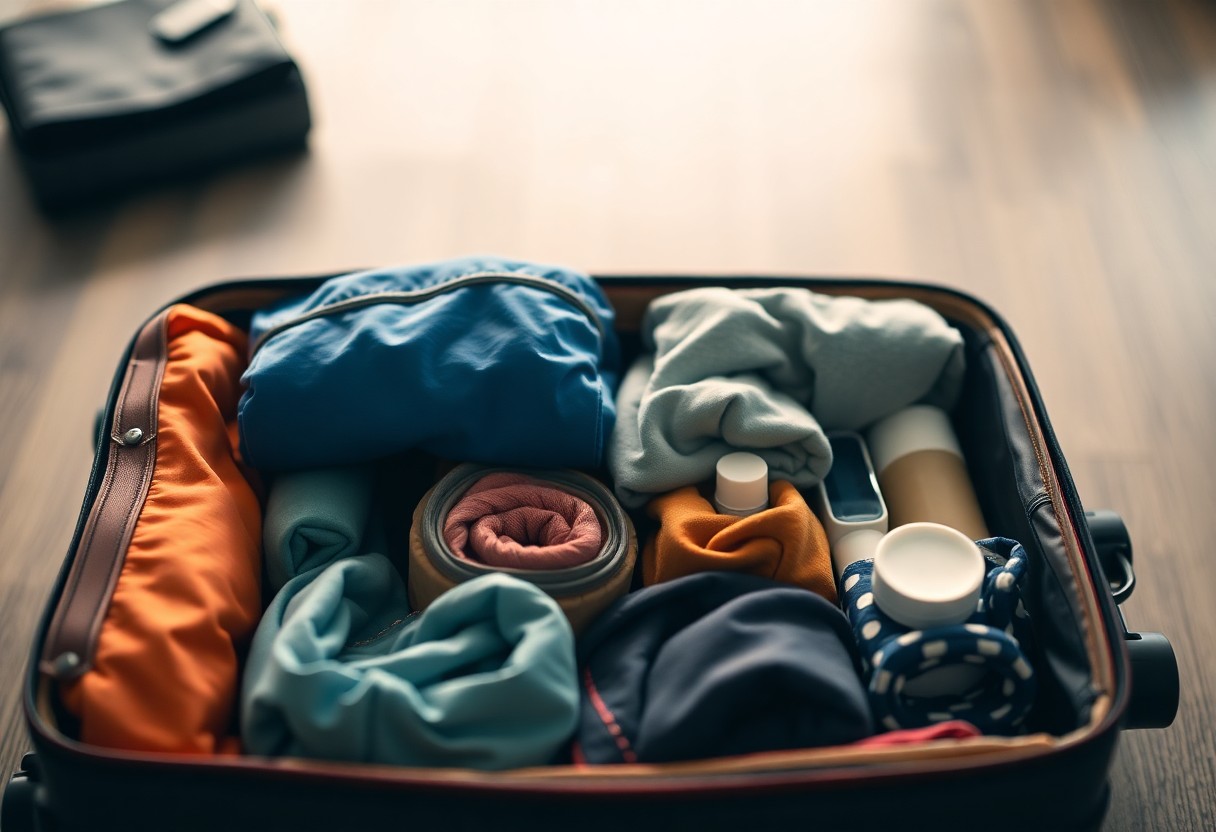
Efficiently organizing your luggage starts with smart item prioritization, which allows you to access what you need without rummaging through every corner of your bag. Begin by categorizing items based on your itinerary and daily needs. Prioritize vitals first, ensuring that you have quick access to items like your travel documents, medications, and chargers. Following vitals, consider the frequency of use for other items, making it easy to reach for clothes and toiletries without cluttering your space.
Essentials vs. Non-Essentials: Making Tough Choices
Deciding between vitals and non-vitals can be challenging, but it’s pivotal for efficient packing. Essentials include items necessary for daily survival and comfort, such as your passport, wallet, medication, and a couple of versatile outfits. Non-vitals, though appealing, can often lead to overpacking and distractions during your trip. Assess each item carefully, asking yourself whether you will truly use it more than once. If the answer is no, leave it behind.
Multi-Use Items That Maximize Functionality
Multi-use items can greatly enhance your packing efficiency by serving several purposes during your trip. For instance, consider a travel pillow that doubles as a blanket, or a jacket with removable sleeves that transforms into a vest. These versatile pieces save space and weight, allowing you to cut down on the number of items you carry. Furthermore, multi-use gadgets like a smartphone with a good camera eliminates the need for bulky photography equipment, reinforcing a leaner packing strategy.
Your choice of multi-use items should reflect your travel style and specific needs. For example, a compact toiletry bag that hangs can serve as both storage and a display, while quick-dry towels not only save space but also serve multiple functions, from beach days to impromptu picnics. Think creatively and seek products designed to offer flexibility; they not only streamline your luggage but also enhance your overall travel experience by simplifying access to your gear.
The Science of Weight Distribution
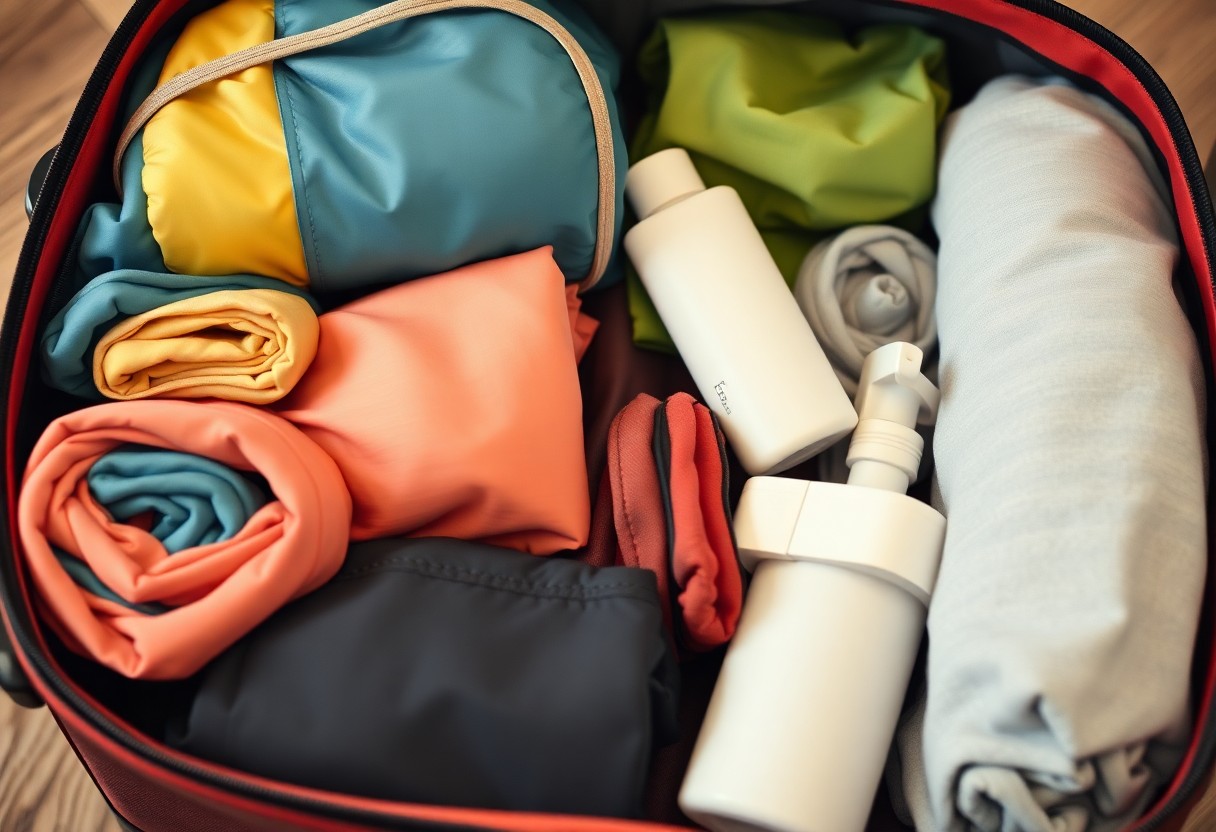
Understanding weight distribution is vital for achieving efficiency in your luggage organization. Proper weight management not only enhances your mobility but also minimizes the risk of damage to your belongings. By locating heavy items near the wheels of your suitcase, you can maintain balance while rolling or carrying your bag. Similarly, positioning lighter items towards the top helps prevent toppling over, ensuring your luggage remains stable as you travel. Adopting these principles can transform your packing strategy, resulting in a more comfortable journey.
Balancing Your Luggage for Travel Efficiency
Achieving balance in your luggage involves strategic placement of items to enhance weight distribution. When packing, position your heavier items first and near the center, allowing for a more stable base. Layer lighter clothing on top to help ensure that your luggage remains easy to carry or maneuver through terminals. By following this method, you maintain control of your luggage, making travel less cumbersome.
The Role of Zippers and Compartments in Weight Management
Utilizing zippers and compartments effectively can significantly improve your luggage’s weight management. These features not only help segregate items but also support weight distribution and stability. By using compartmentalized packing cubes or bags, you can allocate weight evenly across your suitcase, thus avoiding concentrated pressure points that can lead to wear and tear. This structured approach also aids in quick access to vitals without disturbing your overall packing scheme.
| Enhanced Organization | Separates items for easy access |
| Weight Distribution | Promotes even weight across the luggage |
| Damage Prevention | Limits friction and impact on delicate items |
| Quick Access | Allows you to retrieve items without unpacking everything |
Furthermore, strategically utilizing compartments helps distribute the weight of your luggage efficiently. Each section can be loaded with items of varying weights, preventing stress on a single area of your luggage. This means that not only are your items protected, but your luggage also remains lightweight and manageable, making for a much smoother travel experience. Plus, the visual organization that comes with using compartments minimizes packing time, allowing you to focus on enjoying your journey instead of searching for misplaced items.
| Label Everything | Helps identify contents quickly |
| Pack According to Zones | Group similar items together for efficiency |
| Utilize Small Pouches | Organize accessories and small items separately |
| Avoid Overpacking | Maintains balance and makes handling easier |
Post-Packing Reflection
Once you’ve completed your packing, a quick reflection can uncover valuable insights for your future trips. Take a moment to evaluate what worked well and what didn’t, considering both the efficiency of your packing technique and the items you brought along. Jot down notes on what you used regularly, what remained untouched, and how easy it was to access your imperatives. This post-packing analysis will serve as a useful reference for your next adventure.
Learning from Your Packing Experience
Analyzing your packing choices teaches you about your personal travel style and needs. You might find that certain outfits or shoes didn’t suit your itinerary or that you overpacked on specific items. Observing these patterns helps you determine what to adjust in the future, so you can streamline your process and tailor your wardrobe to fit your adventures more effectively.
Adjusting Techniques for Future Trips
Future trips can greatly benefit from the insights gained in your post-packing reflection. If you found yourself consistently reaching for the same few outfits, consider investing in versatile pieces that can be mixed and matched. For items that went unused, think about leaving them out next time. By adjusting your packing techniques based on previous experiences, you foster a habit of packing smartly, leading to a lighter, more functional suitcase every time you travel.


0 Comments