This guide gives you practical planning steps, paced itineraries, packing rules, and daily routines to prevent burnout while traveling, so you stay confident, focused, and present as you explore the world.
Defining Your Travel Scope
Set clear limits on trip length, locations, and daily activities so you avoid overpacking your schedule; pick one or two priorities per trip and stick to them to keep stress low.
Critical factors for selecting stress-free destinations
Choose destinations with manageable logistics, calm pacing, and reliable services to reduce unpredictability. Any choice that matches your comfort with crowds and transit will cut stress.
- Flight duration and connections
- Language ease and local signage
- Health and safety infrastructure
Identifying your primary travel motivations
Identify whether you travel for relaxation, culture, adventure, or connection so you can prioritize activities and avoid overcommitting.
Clarify what recharges you: quiet mornings, social nights, museums, or active days. Rank motivations and estimate time and budget for each, then build a sample itinerary focused on one top motive per trip. That reduces decision fatigue mid-trip and lets you say no to enticing but stressful detours.
How-to Build a Flexible Itinerary
Plan loosely around must-see sites, blocks of free time, and travel days; leave wiggle room for delays or discoveries. When you structure days with flexible anchors instead of minute-by-minute plans, you reduce stress and can follow your energy.
Avoiding the trap of over-scheduling
Avoid packing every hour with activities; set one or two priorities per day, then give yourself permission to skip extras. You’ll enjoy deeper experiences and maintain stamina.
Tips for balancing transit with restorative downtime
Balance transit by grouping nearby sights and allocating buffer time for delays; include short naps or quiet walks after long journeys so you arrive refreshed and ready.
- Choose overnight trains or late flights to convert transit into sleep-friendly time.
- Break long transfers with a restful stop-cafés, parks, or short hotel day-use.
- Perceiving your energy levels throughout travel helps you decide when to push on or pause.
Pack a pocket kit with earplugs, an eye mask, light snacks, and a refillable bottle; set gentle alarms, break long travel into manageable chunks, schedule midday rests, and protect core sleep windows to stay adaptable across time zones.
- Set alarms for naps and arrivals so you don’t miss connections or rest windows.
- Use transit apps and local timetables to build realistic buffers and reduce hurry.
- Perceiving shifts in mood or fatigue lets you swap plans for recovery without guilt.
Managing Logistical Complexity
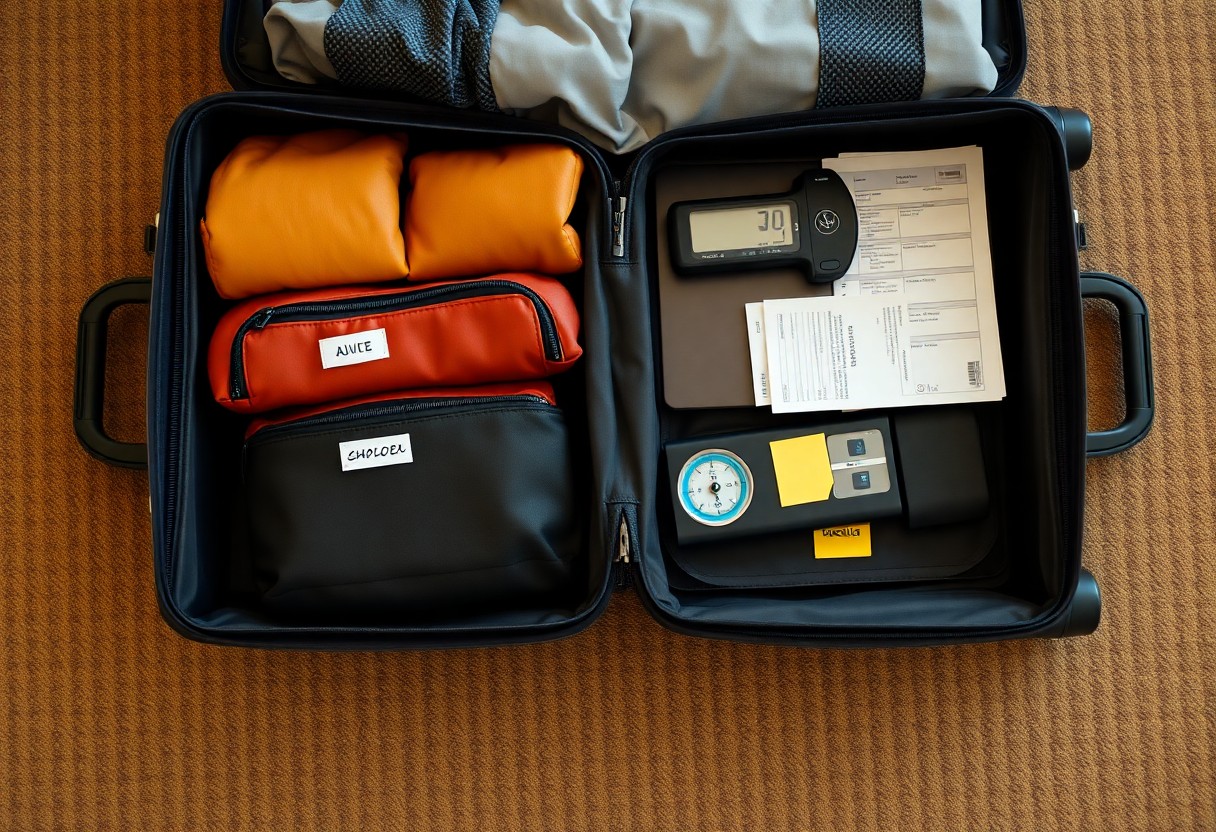
Organize bookings, visas, and insurance in one secure folder or app so you can check details quickly; set calendar reminders for deadlines and store digital copies of documents. Break planning into small tasks to reduce stress and update itineraries only when necessary.
How-to streamline international bookings and documentation
Consolidate flights, trains, and hotels on a single booking platform and compare multi-city fares; choose flexible tickets with clear cancellation policies. Save passports, visas, and receipts to encrypted cloud storage and enable two-factor authentication so you can access documents anywhere.
- Use a single account to store reservations and loyalty numbers.
- Enable shared itineraries with travel companions for quick updates.
- Keep scanned passports, visas, and insurance in encrypted cloud storage.
- Recognizing timed visa and entry requirements early prevents rushed corrections.
Essential tips for navigating foreign infrastructure
Learn to read local transport maps, buy contactless cards where available, and check peak hours to avoid crowds. Use offline maps and a local SIM or eSIM so you can access data and GPS coordinates for key addresses.
Carry small local cash for buses and kiosks, learn ticket machine icons before traveling, and favor day passes when you expect multiple trips. Ask staff for fastest routes and note transfer times so you avoid missed connections.
- Check live transit apps or official timetables before departure.
- Locate station exits, platform numbers, and ticket windows on arrival.
- Buy return or day passes when they lower per-trip costs.
- Recognizing that rush-hour crowds and strikes can delay plans, build extra buffer time.
Factors Influencing Personal Comfort Abroad
Personal factors like sleep cycles, social energy, and language confidence affect how you cope; adjust your plans and gear to match them.
- Sleep patterns
- Social needs
- Language comfort
Perceiving these differences helps you plan small adjustments that lower overwhelm.
Establishing a sense of routine while in transit
Structure your travel days with set wake times, short rituals, and evening wind-downs so you feel anchored on the move.
Strategies for maintaining physical and mental health
Prioritize sleep, hydration, and short movement breaks; use simple breathing or grounding techniques to ease anxiety so you can enjoy each day.
Carry a small kit-earplugs, a refillable bottle, pain reliever, and a printed list of local contacts; set gentle activity goals and check in with loved ones so you keep perspective and lower overwhelm.
How-to Overcome Cultural Fatigue
Shift your expectations when cultures clash: prioritize rest, set simple daily goals, limit new experiences each day, and balance curiosity with recovery to prevent burnout.
Dealing with language barriers and social anxiety
Try learning key phrases, using translation apps, and planning short interactions so language gaps feel manageable; practice deep breathing to steady social anxiety before approaching strangers.
Tips for mindful observation and local adaptation
Observe local rhythms before acting: watch gestures, timing, and space to adjust your behavior gently, then test small social cues to blend respectfully.
- Learn imperative greetings and polite phrases.
- Keep interactions brief; set one small social goal per day.
- Use apps and gestures to clarify meaning.
- Perceiving the subtleties helps you respond with sensitivity.
Practice short observation sessions each day: spend fifteen minutes in a café or market quietly noting patterns, then mimic tone and pace in your replies. Perceiving small cues will guide how you adapt without losing your comfort.
- Mirror body language subtly.
- Ask a local friend to explain one custom.
- Take notes in a travel journal.
- Perceiving these differences sharpens your cultural sensitivity.
Financial and Security Preparedness
Plan your budget and safety measures before you leave: set an emergency fund, split money across accounts, insure valuables, and register travel plans with family or consulate to reduce stress and risk.
Factors for budgeting to eliminate money stress
Allocate a daily spending cap, factor in visas, health care, and unexpected transport or accommodation costs, use local currency apps, and set alerts to avoid overspending.
- Use an expense tracker so you see where you can cut nonimperatives.
- Store emergency cash separately and keep a backup card in a different bag.
- Monitor exchange rates and ATM fees to time withdrawals better.
- Any sudden expenses should prompt you to pause discretionary bookings and tap your emergency fund.
How-to secure your digital and physical assets
Protect your passports, cards, and devices with RFID sleeves, strong locks, backups, and remote-wipe tools; store copies in the cloud and with a trusted contact to limit fallout from loss or theft.
Keep all devices updated, install a password manager and two-factor authentication, and enable device encryption and tracking so you can wipe or recover them remotely; carry physical copies of imperatives, use hotel safes or hidden pouches for valuables, avoid public Wi-Fi without a VPN, and log out of accounts on shared devices to reduce breach risk.
Final Words
Presently you can set clear priorities, limit daily activities, schedule rest, pack vitals, and use local resources so you stay grounded and enjoy travel without overwhelm.


0 Comments