Most of your trips benefit when you learn local greetings, dress codes, and dining customs; you should observe, ask politely, and follow local cues to avoid offense.
Greetings and Non-Verbal Communication
Observe local greeting norms-handshake, bow, cheek kiss or nod-and mirror the formality and pace to show respect; when unsure, you should follow the host’s lead or offer a brief, polite greeting.
Mastering Local Salutations and Physical Contact
Practice matching local salutations-firm handshake, slight bow, or cheek kiss-and check gender and age customs; if unsure, you should ask permission before touching or mimic subtle cues to avoid offense.
Interpreting Eye Contact and Personal Space
Adjust your eye contact and personal space: you should know steady gaze signals honesty in some cultures but provokes in others, and you should stand closer with friends while keeping distance with strangers.
Consider social hierarchy and gender norms when meeting people; you should soften your gaze with elders, maintain brief eye contact with officials, and give extra distance when religious or conservative customs dictate.
Dining Etiquette and Culinary Traditions
Dining customs vary widely; you should watch hosts, follow local rhythms like shared plates or courses, and accept or decline offerings politely to show respect.
Essential Table Manners and Utensil Usage
Use utensils as locals do: grip chopsticks correctly in Asia, keep hands visible at Western tables, and avoid stabbing food or resting elbows on the table.
Navigating Tipping Culture and Service Gratuity
Tipping expectations differ by country, so you should learn whether service is included, what percentage locals give, and how to present cash discreetly when appropriate.
When service charges are added, you should avoid double-tipping but can leave a small extra for exceptional service, while in some cultures offering cash directly to staff shows appreciation.
Dress Codes and Modesty Standards
Dress expectations vary widely, so you should choose modest layers, cover shoulders and knees where customary, and prefer breathable fabrics that respect local norms.
Appropriate Attire for Sacred and Religious Sites
When you visit sacred sites, cover arms and legs, remove hats or shoes if required, and wear subdued colors; modesty is often interpreted strictly.
Public Decorum and Local Fashion Norms
Observe local street etiquette by matching your dress formality, avoiding overly revealing clothing, and noting gender-specific norms to avoid unintended offense.
You should adapt to climate and context: swap shorts for long trousers in conservative areas, cover tattoos if required, dress up for formal events, and follow signage or staff guidance to blend with local expectations.
Verbal Communication and Social Hierarchy
Understanding local speech patterns and honorific use helps you show appropriate deference in hierarchical cultures, adjusting tone, volume, and address to match status differences and avoid unintended disrespect.
Use of Honorifics and Formal Titles
Addressing elders and officials with correct titles and polite forms signals respect; learn basic honorifics and when to switch to informal speech so you do not offend.
Avoiding Cultural Taboos and Sensitive Topics
Avoiding subjects like religion, politics, or personal finances in casual conversation prevents awkwardness; watch local cues and let community members guide sensitive exchanges.
Observe community boundaries before raising sensitive topics: research common taboos, listen more than speak, frame questions gently, and mirror the formality you encounter; avoid jokes about race, religion, gender, or historical grievances, never photograph private rituals without consent, and apologize briefly if you offend, then shift to neutral subjects.
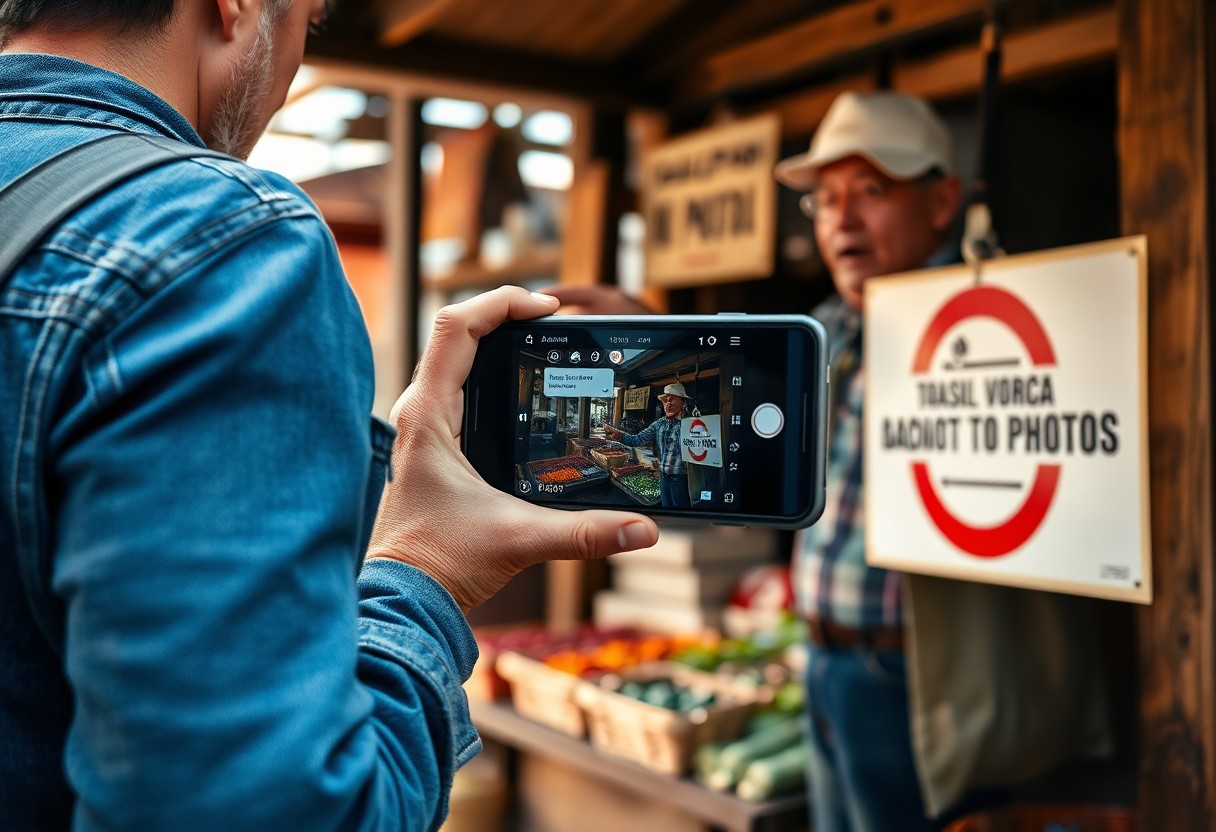
Photography and Digital Respect
Respect local customs by asking before photographing people and cultural sites; faces, children, and ceremonies often require permission. You should also mute camera sounds and avoid posting identifiable images without consent.
Seeking Consent and Protecting Privacy
Ask permission before you take portraits, explain how images will be used, and offer to share photos to build trust and prevent offense.
Regulations on Sensitive and Government Sites
Observe posted signs and local laws restricting photography near military, government, and certain religious sites; if you ignore them you risk fines, detention, or equipment confiscation.
Check whether you need permits for professional gear or drone use, contact local authorities before shooting near restricted areas, and disable geotags to avoid exposing sensitive locations or people.
Ethical Interaction and Sustainable Travel
Respect local customs and consider how your choices affect communities and ecosystems; choose ethical tours, reduce waste, and prioritize low-impact transport to help maintain places you visit for residents and future travelers.
Supporting Local Artisans and Economies
Support local artisans by buying directly, asking about materials, and tipping when appropriate; you sustain livelihoods and preserve techniques while avoiding exploitative middlemen.
Preserving Natural and Cultural Heritage
Protect sacred sites and habitats by following paths, observing signage, and asking permission before photographing people or rituals; your restraint helps keep traditions intact.
When you visit heritage sites, research protocols in advance, hire local guides who know cultural norms, follow marked trails and signage, and ask before taking photos of people or ceremonies. Avoid purchasing antiquities or items from endangered species, keep group sizes small, and minimize noise so you reduce erosion and cultural disruption for locals and future visitors.
Final Words
From above you should observe local customs, ask permission before taking photos, dress modestly where required, use basic greetings, and respect personal space and mealtime rituals to show respect and avoid offense.


0 Comments