It’s important to choose the right luggage for your travels, and deciding between a backpack and a suitcase can significantly impact your trip. Each option has its own benefits and drawbacks, tailored to different types of journeys and personal preferences. In this post, you’ll explore the advantages of both styles, helping you make an informed decision based on your travel plans, comfort, and organization needs. Let’s explore the key considerations that will guide you in selecting the perfect travel companion.
1. Backpack offers hands-free convenience for active travelers.
2. Suitcases provide better organization and protect delicate items.
3. Backpacks suit rough terrains and casual adventures.
4. Suitcases are ideal for business trips and formal settings.
5. Choose backpack for lightweight, flexible packing needs.
6. Opt suitcase for longer trips with heavier belongings.

The Weight of Choices: Pros and Cons of Backpacks
Choosing a backpack for your travels presents both advantages and disadvantages that can significantly impact your experience. Understanding these aspects can guide you toward making the best decision for your journey.
| Pros | Cons |
|---|---|
| High mobility for navigating crowded places | Can be uncomfortable if heavily loaded |
| Perfect for uneven terrains | Limited capacity compared to suitcases |
| Easier to store in small spaces | Less protection for fragile items |
| Multiple compartments for organization | Can lead to strain on your back and shoulders |
| Lightweight options available | Can become cumbersome over long distances |
| Often more affordable than suitcases | Durability may vary based on materials |
| Facilitates quick access to items | Limited style options for formal settings |
Flexibility and Mobility: Advantages of Backpacks
A backpack allows you the freedom to move swiftly through busy airports or train stations. Its design enables you to keep your hands free, making it easier to navigate stairs, crowded sidewalks, or rugged trails. With evenly distributed weight across your shoulders and back, a well-fitted backpack can provide a level of comfort that is vital when you are on the go, especially during long adventurers. Whether you’re hiking, sightseeing, or commuting, the agility that comes with using a backpack often outweighs the limitations of other luggage options.
Discomfort and Durability: Drawbacks of Using a Backpack
Your enjoyment can be hampered by discomfort if you’re not careful about how you pack your backpack. Overloading or unevenly distributing your belongings can cause strain, making long walks or hikes feel unbearable. Additionally, while many backpacks are built for adventure, the durability of zippers, straps, and seams varies widely. If you’re inclined to carry fragile items, the protective quality of a backpack may not match that of a sturdily structured suitcase. An enduring backpack might be perfect for light travel, but without due diligence, it may fall short of your durability expectations in the face of rigorous use.

The Organized Traveler: Benefits and Drawbacks of Suitcases
Suitcases offer a level of organization that can simplify your travel experience. With designated compartments, zippers, and sometimes even built-in garment bags, they provide a neat way to separate clothing, shoes, and accessories. Additionally, hard-shell cases can protect fragile items, while the wheels allow for easy maneuvering through airports. However, this structured approach does have some drawbacks, and recognizing them can help you make an informed decision on your travel gear.
Structure and Ease: Why Suitcases Shine for Organization
The structured design of a suitcase facilitates easy packing and unpacking. You can arrange your belongings into sections, making it simple to find what you need when you need it. For instance, packing cubes fit snugly inside suitcases, allowing you to sort items by category—like clothing, toiletries, and electronics. Plus, many suitcases feature external pockets for quick access to travel documents or a water bottle, further streamlining your journey.
Bulkiness and Accessibility: Challenges of Traveling with a Suitcase
While the organized design of suitcases can be beneficial, their bulkiness often hinders accessibility and maneuverability. Navigating crowded areas, like bustling airports or winding cobblestone streets, becomes cumbersome as you lug a heavy suitcase. When you need to quickly grab an item from deep within your suitcase, finessing the contents can feel like unlocking a puzzle. Additionally, oddly-sized luggage can pose problems when using public transportation or cramped accommodations, sometimes necessitating a taxi rather than a train or bus.
This bulkiness can create challenges that hinder your travel experience. Struggling with a suitcase during a lengthy airport layover or trying to fit it on a crowded bus can be frustrating. If your destination involves several stops, the hassle of carrying or dragging your suitcase around can lead to fatigue. Carrying a suitcase means you might miss out on spontaneous adventures or take the long route simply because your gear weighs you down. This can erode the carefree nature that travel often embodies, making it imperative to weigh these factors against the benefits of organization before deciding on your luggage type.
Travel Style Meets Functionality: Lifestyle Considerations
Your travel style plays a significant role in determining whether a backpack or suitcase is the right choice for your adventure. If you thrive on spontaneity and frequently explore off-the-beaten-path locations, a backpack offers the flexibility and convenience needed for navigating varied terrains. On the other hand, if you prefer a more leisurely approach with planned itineraries and accommodations, a suitcase may align better with your organized lifestyle, allowing for easier packing and access to your belongings. Understanding your habits, preferences, and the types of experiences you’re seeking can help inform your decision.
Urban Adventures vs. Rural Escapades: Matching Gear to Environment
Your destination’s environment plays a pivotal role in selecting the optimal travel gear. For urban settings, where efficient public transport and maneuverability are advantages, a suitcase with wheels may suit you best. However, rural adventures that involve rugged terrains and potential hikes benefit from the versatility and comfort of a backpack, allowing you to carry supplies easily while on the move through nature.
Long-Term vs. Short-Term Travel: Choosing Based on Duration
Duration of travel influences your choice between a backpack and a suitcase significantly. For short-term trips, a lightweight suitcase offers the convenience of organized packing and quick access to items. Long-term travelers often find that backpacks provide the adaptability needed for various activities while allowing for greater packing flexibility.
When considering long-term travel, you might often face varying demands based on your destinations. While a suitcase might pack neatly and hold more items, a backpack’s design allows for easier transport through airports, public transit, or rural landscapes. Additionally, you can utilize packing cubes within your backpack to keep things organized without sacrificing compactness. Your duration of stay, the number of activities planned, and the environments you’ll encounter should all factor into your gear choice to ensure a seamless travel experience.
The Economies of Space and Budget: Financial Implications
Choosing between a backpack and a suitcase involves considering not only functional aspects but also financial implications. Each option presents different costs associated with travel, storage, and convenience. A typical backpack can be less expensive than a high-quality suitcase, often making it a preferred choice for budget-conscious travelers. Additionally, backpacks can easily fit into crowded spaces, avoiding airline baggage fees that come with larger suitcases. With careful planning, you can find an option that serves both your space needs and your wallet.
Cost Comparison: When to Choose One Over the Other
The decision on whether to opt for a backpack or a suitcase can be further broken down into costs, equipment longevity, and buy-in amounts. Here’s a comparative table:
| Backpack | Suitcase |
|---|---|
| Average price: $50 – $150 | Average price: $100 – $300 |
| Easy to pack and carry, ideal for short trips | Better for organized packing and longer journeys |
| Can save money on baggage fees | May incur extra weight fees if oversized |
Packing Efficiency: Maximizing Space and Minimizing Costs
Packing efficiency impacts your travel budget and experience significantly. Backpacks allow you to maximize space with compact packing techniques, usually accommodating a variety of items that traditional suitcases may struggle to fit. Roll clothing, use packing cubes, or utilize shoes for storage to save even more space. When you’re faced with weight restrictions on flights or the need for public transit, a well-packed backpack can minimize the cost of extra baggage and the hassle of lugging around additional belongings. A streamlined packing process provides flexibility in your travel expenses and ensures that you carry only what you truly need.
Backpacks outperform suitcases when it comes to versatility in packing. Using compression packing bags can help you fit more items into tight spaces, ensuring you get the most out of your limited storage. Imagine fitting an extra pair of shoes, a jacket, and a couple of books in your backpack while still keeping it lightweight. This ability to strategically utilize every inch often means saving on baggage fees, as many airlines charge for checked luggage. Furthermore, the convenience of having your belongings close at hand on public transport or while walking long distances can enhance your travel experience significantly. In terms of efficiency and budget management, a well-thought-out packing strategy with a backpack makes a compelling case.
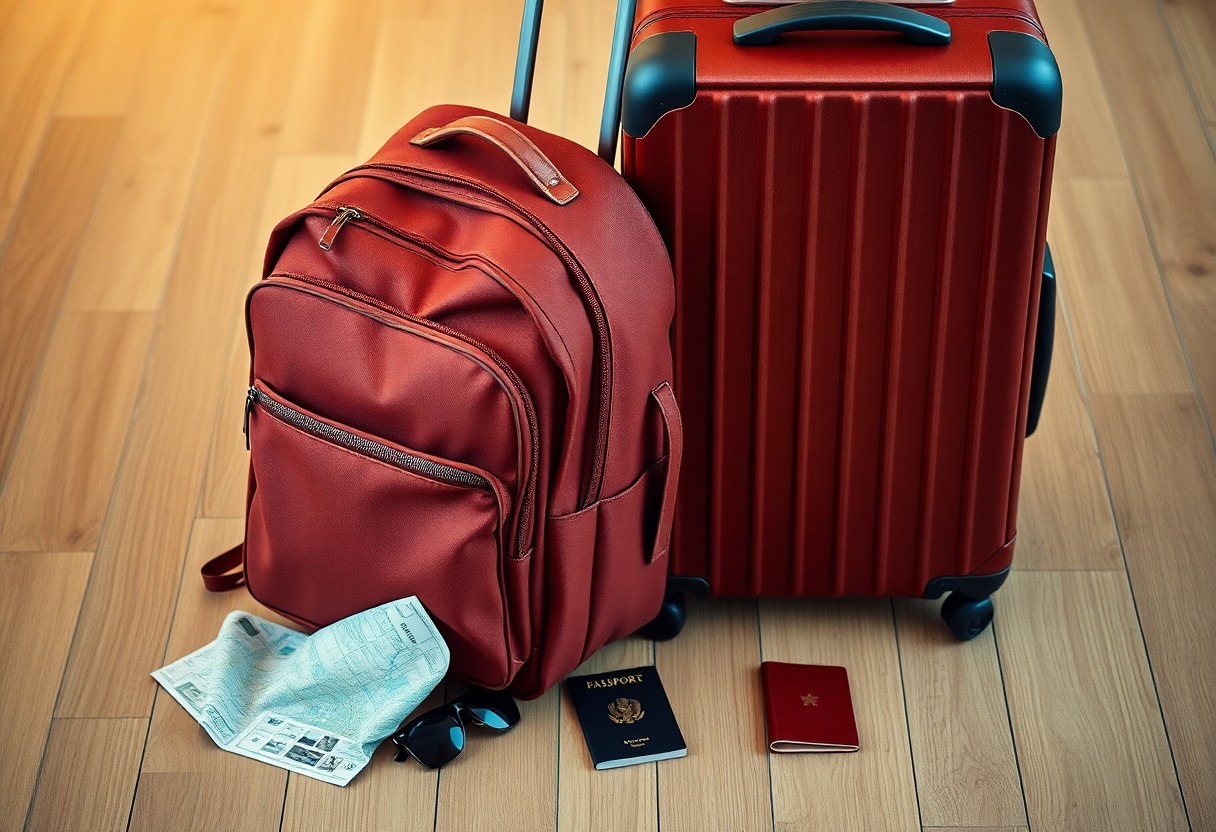
The Intangible Factors: Personal Preferences and Experiences
Your choice between a backpack and a suitcase often goes beyond practicality, delving into personal preferences and past experiences. Factors such as comfort, familiarity, and confidence in maneuvering your gear can sway your decision. You might prefer the ease of gliding a suitcase through airports, or perhaps the freedom of a backpack during a spontaneous hike. Preferences can include:
- Your travel destination and its accessibility
- Comfort with carrying weight on your back
- Previous experiences that shaped your view on travel gear
- Style statement or minimalism in your travel aesthetics
The decision ultimately reflects who you are as a traveler.
Sentimental Values: Emotional Attachments to Gear
The gear you choose can carry sentimental value, evoking memories of past adventures or family traditions. A well-worn backpack might remind you of a life-changing trip taken years ago, while a suitcase inherited from a loved one can serve as a source of nostalgia. These emotional connections often influence your gear decisions, as you may feel more compelled to travel with items that hold personal significance. The memories tied to your possessions can enhance your travel experience, making the journey all the more rewarding.
Community Insights: What Fellow Travelers Recommend
Community feedback can provide invaluable insights into your decision-making process. Many travelers share their experiences in online forums, discussing the pros and cons of different travel gear. Recommendations often revolve around specific brands known for durability and comfort—paragraphs filled with personal anecdotes can enhance these discussions, making them relatable.
When you venture into the traveler community’s recommendations, you might discover popular choices. For example, backpack enthusiasts often praise Osprey and Deuter for their ergonomic designs, while suitcase carry-on users frequently mention Samsonite and Away for their reliable construction and organization features. Additionally, online groups will often highlight personal stories that emphasize the importance of both comfort and style during travels. Engaging with fellow travelers not only informs your choice but also inspires confidence in your ultimate decision.
Conclusion
Following this guide, you should now have a clearer understanding of whether a backpack or suitcase suits your travel needs. Consider factors like your destination, duration of travel, and personal preferences. If you value mobility and compactness, a backpack might be your best option. On the other hand, if you prioritize organization and ease of packing, a suitcase could be the way to go. Ultimately, your choice should align with your travel style and comfort to ensure an enjoyable journey.


0 Comments